
SS: Pausing, Hardest Hispanic Accent and Grammar Nuances

SPANISH SUNDAYS
The Power of Pausing
Learners often think they need to speak at full speed to sound fluent, but if you really think about it, you pause frequently in your native tongue so there’s no shame doing it in Spanish. And actually, pausing can actually help you by:
giving you time to think,
making you sound calmer and more confident.
Natives aren’t expecting you to wow them with your speed, that comes with time. You're better off focusing on developing the ability to have a meaningful conversation and connect with a native than trying to impress them.
These are two very different things.
Here are some Spanish filler words which will make you sound so much more confident and natural:
Pues… la verdad… o sea… quiero decir…
Remember as well:
when you’re pausing, stop saying “ermmm…” and instead say “ehhh”
If you’re interested in working with me directly to achieve conversational fluency click here.
Beginner: The “Personal A”
This little rule trips up loads of learners: when the direct object of a verb is a person or animal, you need to add a before it.
Veo a María. → I see María.
Escucho a mi profesor. → I listen to my teacher.
Amo a mi perro. → I love my dog.
My tip to understand this is to think of the Spanish “a” as an extension of the verb in this case (normally the Spanish “a” translate to “to”). It goes back to the tip of stop translating everything we spoke about here.
But remember: if it’s just a thing, no a:
Veo el coche. → I see the car.
Escucho el viento. → I hear the wind.
Amo mi coche. → I love my car.
And now that you understand this concept listen out for it, you’ll hear it in use all the time.
Advanced: Subjunctive After “Sea como sea”
Here’s a phrase you’ll hear often but rarely see in textbooks:
Sea como sea → “Whatever happens” / “One way or another”
It uses the subjunctive of ser (sea) twice. This is because it’s expressing uncertainty: you don’t know how it’ll be.
Sea como sea, voy a terminar el proyecto. → Whatever happens, I’ll finish the project.
Sea como sea, tenemos que ganar. → One way or another, we have to win.
Another way of saying this is:
Pase lo que pase → “Whatever happens”/ “One way or another”
This uses subjunctive of pasar (pase) twice.
Hispanic Culture: The Hardest Accent
Which accent do Spanish learners often find the hardest?
In my experience, it’s Caribbean Spanish ( in particular Cuba, Puerto Rico, Dominican Republic) because:
The final s disappears: más o menos → má o meno
Words get shortened: para → pa’
Super fast rhythm with syllables “eaten” mid-word
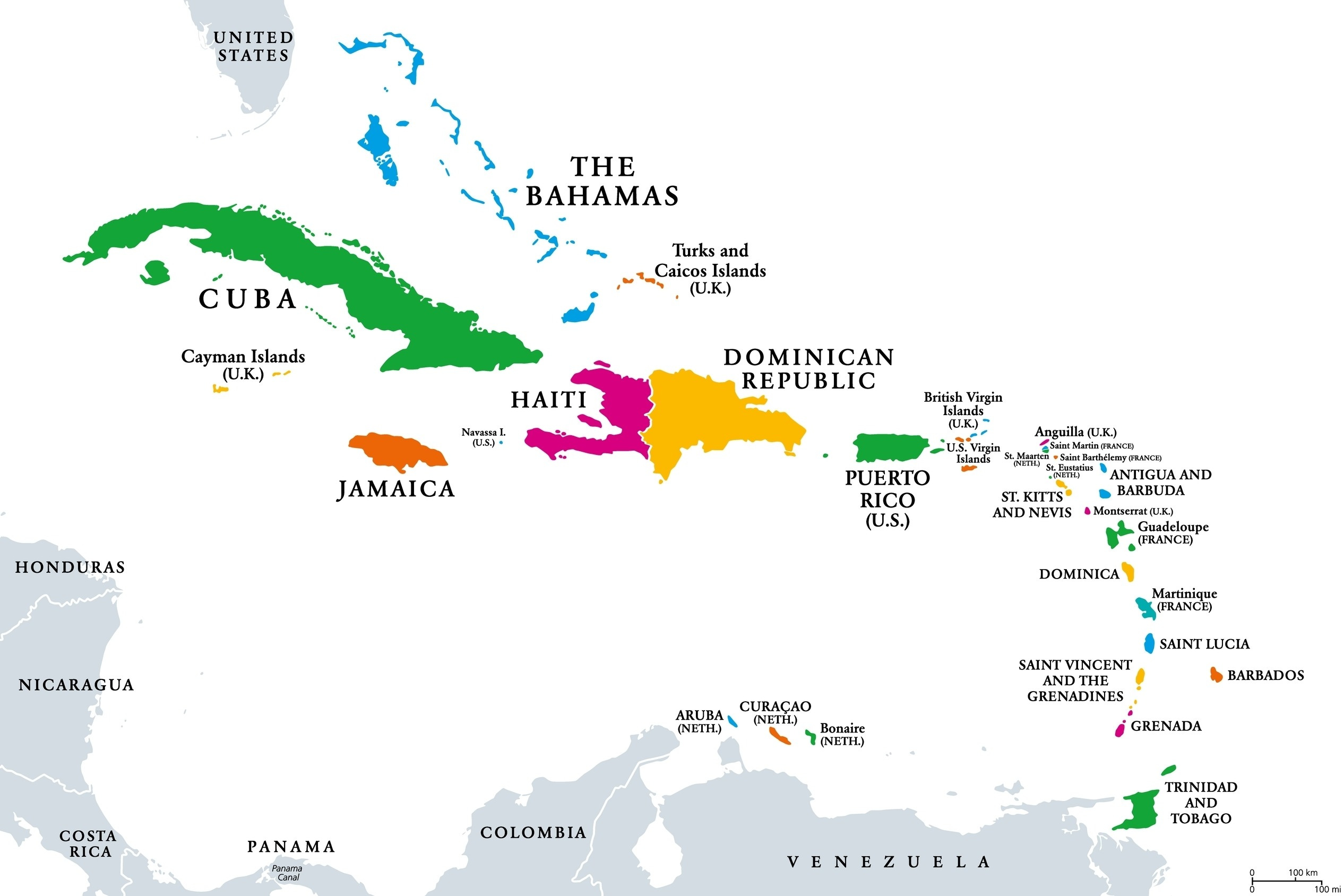
This answer does change person to person, it normally depends on which accent you have spent the least time engaged in.
After a conversation with Mike Ben, a fluent speaker with 20k subscribers, he said he’s totally comfortable with Caribbean Spanish but when it comes to Spanish from Spain, he struggles. This is because he simply hasn’t spent enough time listening to Spanish content. Whereas I’m the complete opposite, I generally find Spanish from Spain a piece of cake but Caribbean Spanish is really hard work.
This goes to show that deciding where to learn your Spanish from is very important! Choose wisely because that is where your will be strongest.
Check out my interview with Mike Ben here if you want to hear our conversation!
If you’re interested in working with me directly to achieve conversational fluency click here.